March 19, 2026
This article provides expert tips and guidance on how to handle emergency roadside situations effectively. Whether you're dealing with a flat tire, a dead battery, or an accident, these insights will help you stay safe and manage the situation until help arrives. By the end of this article, you'll have gained valuable knowledge for handling various roadside incidents with confidence, including how to find reliable local towing services when needed.
1. Understanding Common Roadside Emergencies
Flat Tires
Flat tires are one of the most common roadside issues drivers encounter. They can be caused by sharp objects, poor road conditions, or improper tire maintenance. Knowing how to safely change a tire or when to call for help is essential. Always remember to pull over to a safe location and use hazard lights when dealing with a flat. Keeping a spare tire, jack, and lug wrench in your trunk can make a huge difference in situations like these.
Dead Batteries
Dead batteries often catch drivers by surprise, leaving them stranded. Most commonly, battery failure is due to leaving lights on or extreme weather conditions. To determine if your battery is dead, check for dim headlights or a non-responsive ignition. In such cases, jump-starting your car might be a temporary fix. However, a professional assessment is recommended to avoid future issues.
Engine Overheating
Engine overheating can occur due to various factors such as low coolant levels or a faulty thermostat. If the temperature gauge on your dashboard spikes, it's crucial to stop immediately and allow the engine to cool. Continuing to drive with an overheating engine can cause severe damage. Once cooled, check for coolant leaks or consider getting professional help. Regular maintenance is vital to prevent overheating incidents.
2. Preparation Tips for Roadside Emergencies
Essential Emergency Kit Supplies
An emergency kit is a crucial component for safe travel. Essential items include first-aid supplies, road flares, a flashlight, and reflective triangles. Basic tools and non-perishable snacks can also be lifesavers during a wait for assistance. Regularly check your kit and replenish any items that have been used or have expired. Being well-prepared ensures you're ready for unexpected road situations.
Regular Vehicle Maintenance
The importance of routine vehicle maintenance cannot be overemphasized. Regular oil changes, brake checks, and tire rotations keep your car running smoothly. A reliable mechanic can identify potential issues before they become major problems. By staying up-to-date on maintenance, you're less likely to encounter breakdowns. Small preventative efforts can save money and time in the long run.
Understanding Your Vehicle's Tools
Every vehicle comes equipped with basic tools, and knowing how to use them is essential. Familiarize yourself with the location and operation of these tools, like the jack and lug wrench. This knowledge can empower you to handle minor fixes yourself. Keep a manual or guide handy in case you need additional instructions. A little preparation goes a long way in emergencies.
3. Steps to Take During a Roadside Emergency
Ensuring Safety First
In any roadside emergency, safety should be your top priority. Pull over to the side of the road away from traffic if possible. Use hazard lights and road flares to alert other drivers to your presence. Avoid exiting your vehicle on busy highways unless it's safe to do so. Your focus should be on minimizing hazards to yourself and others.
Assessing the Situation
Quick assessment of the situation helps determine the best course of action. Identify symptoms of the issue and check for visible damage or leaks. Gathering this initial information assists when contacting roadside assistance. Understanding the root cause may also enable minor troubleshooting. A calm and organized approach leads to better decision-making.
Calling for Assistance
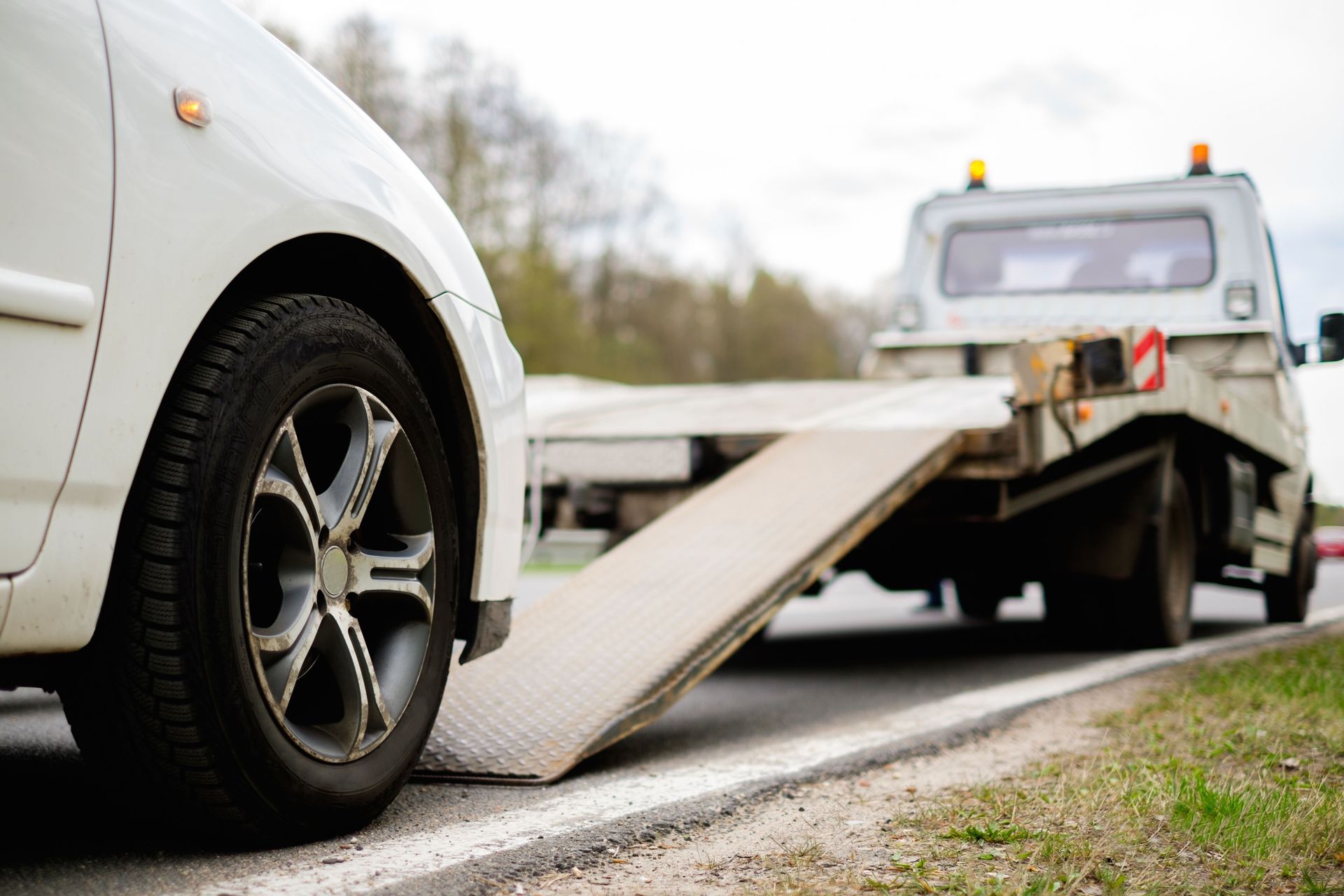
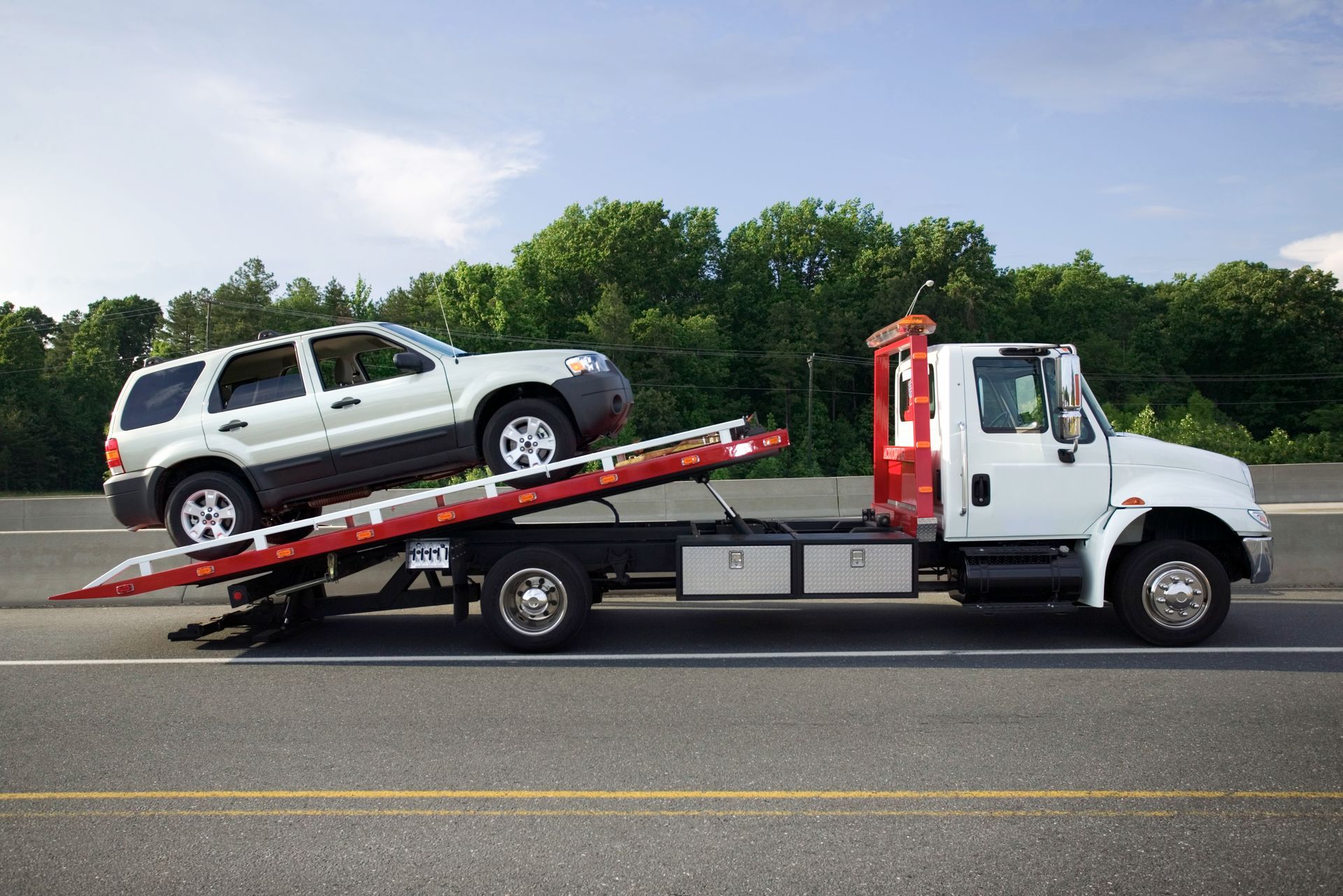
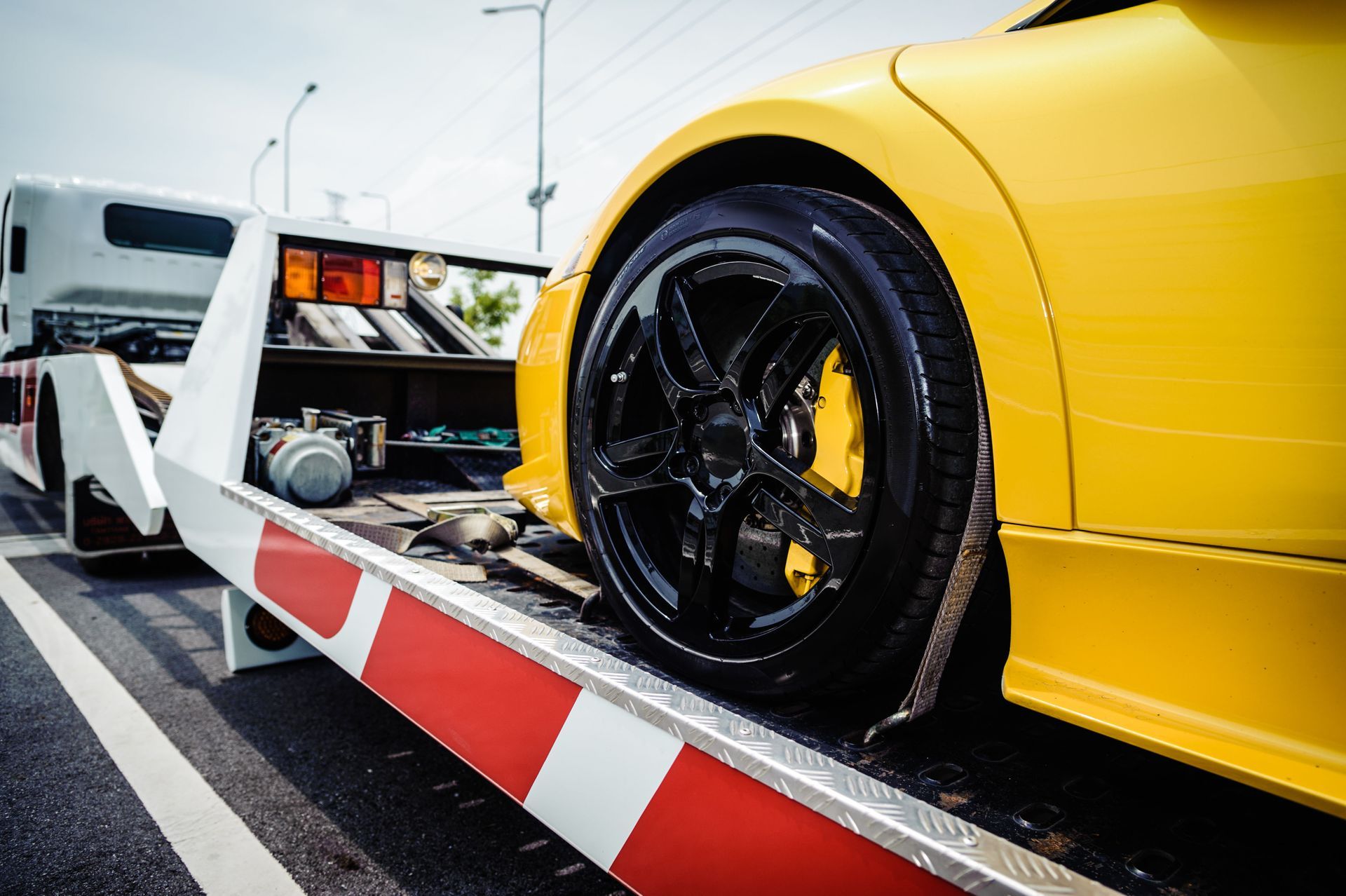
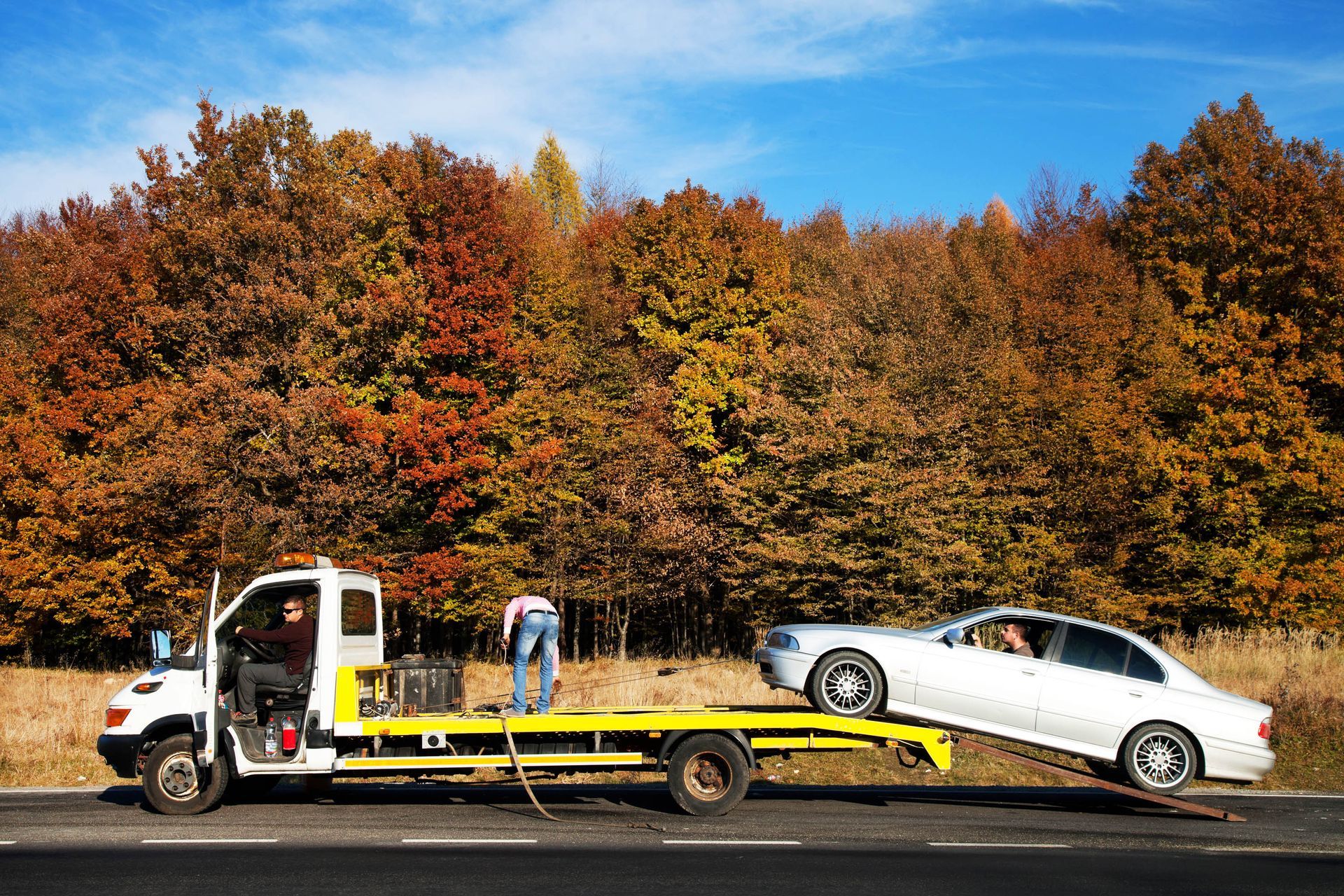
Once you've assessed the situation, contact the appropriate services for help. Use your gathered information to communicate effectively with operators. If you have roadside assistance through your insurance, call them directly to ensure coverage details. For other cases, a quick Google search can help find reliable local towing services. Having this information ready streamlines the assistance process.
4. Choosing the Right Towing Service
Researching Towing Companies
Not all towing services offer the same level of service or price. According to The Business Research Company, the tow truck market size stood at $1.62 billion in 2024 and increased to $1.69 billion in 2025, highlighting the industry's growth and professionalism. When choosing local towing services, customer reviews and ratings provide insight into others' experiences. Research companies in advance to find reputable options, ensuring reliability during emergencies. Prior research allows you to contact trustworthy local towing services when needed.
Understanding Towing Costs
Towing costs from local towing services can vary widely based on location, distance, and time. Some companies may offer flat rates, while others charge per mile or hour. Clarify any charges before agreeing to services to avoid surprises. If possible, compare quotes from multiple providers to find cost-effective options. Understanding typical cost structures prevents overpaying during emergencies.
Inquiring About Services Offered
It's essential to know what services local towing services offer before committing. Some may only provide basic towing, while others offer roadside assistance, fuel delivery, or lockout services. Asking about the scope of services ensures you receive comprehensive support. This knowledge is beneficial for choosing a provider that matches your specific needs. Being informed helps in making optimal decisions.
5. Staying Calm and Collected
Managing Stress and Panic
Facing roadside emergencies can be stressful, but it's vital to manage panic effectively. Taking deep breaths and staying focused on step-by-step solutions eases anxiety. Maintain a composed demeanor to facilitate clear thinking and decision-making. Practicing breathing or mindfulness techniques can be beneficial in these moments. Remaining calm greatly influences the efficiency of handling a crisis.
Clear Communication
Effective and clear communication is essential during emergencies, with both responders and co-passengers. Providing precise information about the situation ensures prompt assistance. Practice active listening to understand and follow instructions accurately. Miscommunication can lead to delays and unnecessary complications. Being articulate and attentive enhances cooperation and teamwork.
Documenting the Incident
Documentation is a critical step in managing roadside emergencies for insurance and legal purposes. Photos of the scene and damage provide important evidence. Noting details like time, location, and other parties involved contributes to a thorough report. Making audio recordings or written notes can offer additional clarity. This information is invaluable during insurance claims and future preventions.
6. Post-Emergency Actions and Follow-Up
Vehicle Inspection and Repairs
After an emergency, conducting a thorough vehicle inspection is crucial to assess any damage. Consult a qualified mechanic for a comprehensive check-up and repairs. Even minor issues left unattended can escalate into major problems later. Regular post-incident inspections ensure your vehicle remains in optimal condition. Prioritize safety and reliability through diligent follow-ups.
Insurance Claims Process
Filing insurance claims efficiently involves detailed documentation of the incident. Provide your insurer with all necessary photos, police reports, and observations. Understanding your policy coverage and the claims process aids in smooth transactions. Communication with your insurance agent can clarify any questions about entitlements. Completing this process promptly ensures timely compensation and resolution.
Reviewing Towing Company Experience
Providing feedback on local towing services helps improve future service quality. Share your experiences through reviews on platforms like Google or Yelp. Positive or constructive reviews inform other potential customers of the service quality. Your input contributes to maintaining high standards within the industry. Constructive feedback drives service improvements and accountability.
With the right preparation and knowledge, handling roadside emergencies becomes more manageable and less stressful. By following the tips provided, drivers can ensure their safety and take appropriate actions during unexpected situations on the road. Remaining calm, utilizing available resources, and choosing the right local towing services for assistance are key to effective emergency management. Don’t wait in a stressful situation. Contact Townando Towing for fast, reliable roadside assistance.