June 16, 2026
Towing services are an essential aspect of vehicle ownership, especially when dealing with mechanical failures or other emergencies on the road. Understanding the nuances between light-duty and heavy-duty towing is crucial for vehicle owners to ensure that their vehicles are transported safely and efficiently. This article will explore the key differences, considerations, and factors that could help in making an informed decision about the appropriate towing service needed for your vehicle. As we delve deeper, we'll consider various metrics and scenarios that illustrate the importance of choosing the correct towing service. By the end of this comprehensive guide, vehicle owners should have a solid understanding of what to expect and what to look out for when seeking towing services.
Understanding Light-Duty Towing
Definition and Key Characteristics
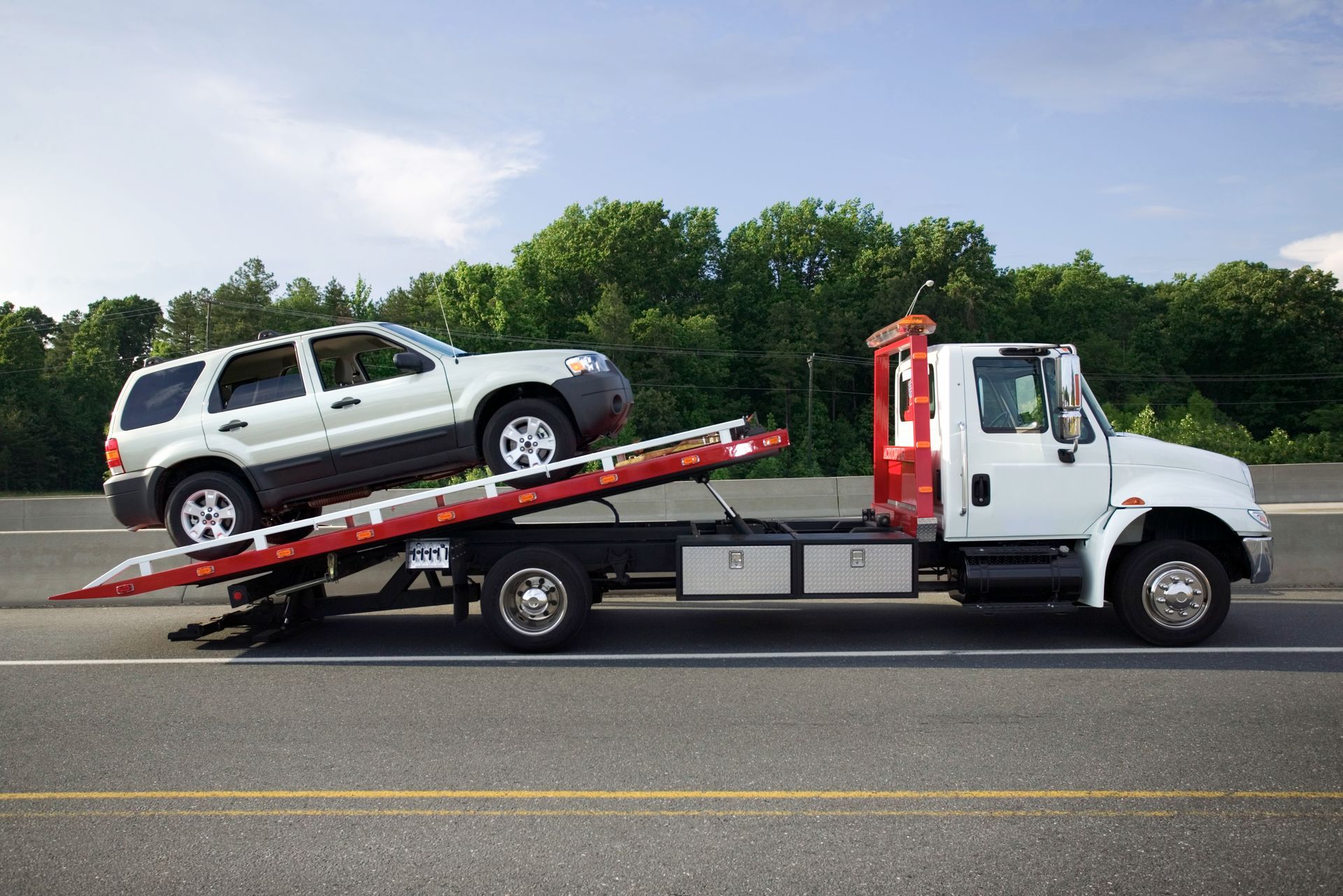
Light-duty towing is defined by its capability to transport smaller vehicles such as sedans, minivans, and compact SUVs. The primary characteristics of light-duty towing services include the use of smaller tow trucks equipped with hook-and-chain or wheel-lifts. We've found that these trucks are optimal for handling vehicles with a gross vehicle weight rating (GVWR) of up to 10,000 pounds. Typical light-duty tow trucks are generally more maneuverable and can easily access narrow or congested urban areas. While considered "light," these services play a critical role in transporting everyday vehicles with efficiency and speed.
Typical Vehicles Suitable for Light-Duty Towing
Vehicles that fall under the light-duty category generally include personal and commercially used cars, small pickups, and lightweight vans. These vehicles are frequently subjected to mechanical failures or need transportation within short distances, making light-duty tow trucks an ideal choice. In addition to private cars, smaller commercial fleets and even some recreational vehicles may also be towed using this method. For drivers, understanding whether their vehicle fits these criteria is essential when selecting a towing service. The versatility and standard nature of these vehicles ensure that services remain accessible and affordable.
Common Scenarios for Use
Light-duty towing services are frequently utilized in urban settings where accidents and breakdowns are common. Additionally, many vehicle owners rely on these services during routine maintenance or service appointments, ensuring that their cars are safely transported to the required location. Being commonly employed by roadside assistance programs, these services provide timely support, preventing extended delays for drivers. Moreover, light-duty towing serves as a practical option for transporting vehicles between different locations or cities. Therefore, vehicle owners should consider light-duty towing services for any minor towing needs that arise in their daily life.
Weight and Capacity Guidelines
The weight and capacity guidelines for light-duty towing are vital considerations to ensure that vehicles are towed safely. With a maximum weight limit of 10,000 pounds, the towing capacity must align with the vehicle's weight to prevent potential hazards. Overloading a tow truck with a vehicle exceeding its capacity can lead to mechanical failures and accidents. Thus, it is crucial for vehicle owners to assess the weight of their vehicle, including any additional cargo, before opting for a light-duty towing service. By adhering to these guidelines, both the vehicle and towing service company maintain high safety and operational standards.
Understanding Heavy-Duty Towing
Definition and Key Characteristics
Heavy-duty towing refers to a class of towing that involves the transportation of larger, heavier vehicles such as buses, garbage trucks, and commercial trucks. These towing services make use of robust equipment like integrated tow trucks, often equipped with enduring axles and lifting capacity to handle significant loads. Heavy-duty tow trucks accommodate vehicles with weights exceeding 17,000 pounds and often come with specialized attachments to facilitate the transportation of oversized loads. Given their superior power and strength, heavy-duty towing services are employed in complex towing scenarios. The need for diligent planning and execution makes them an indispensable aspect of commercial vehicle management.
Typical Vehicles Suitable for Heavy-Duty Towing
Vehicles suitable for heavy-duty towing typically include those used in commercial, construction, and large-scale transport industries. Freight trucks, full-sized buses, RVS, and trailers are among the most common types of vehicles that require heavy-duty towing due to their significant size and weight. These vehicles are often in operation across highways and longer routes, which increases the likelihood of requiring towing services in case of mechanical issues. Companies engaged in freight logistics and public transport frequently have arrangements with heavy-duty towing services to ensure minimal disruption in their operations. Understanding the specific towing needs of these vehicles is critical to maintaining logistical efficiency and safety.
Common Scenarios for Use
Heavy-duty towing is indispensable in scenarios where large vehicles are involved in road incidents such as accidents or breakdowns. Often, these situations require urgent response to clear blocked highways or intersections, ensuring normal traffic flow resumes quickly. In logistics, heavy-duty towing services are called upon during instances of mechanical failure, providing timely assistance to stranded commercial vehicles. The robust nature of these services also makes them ideal for recovering immobilized vehicles from challenging terrains. With their focused expertise, heavy-duty towing companies ensure that operations remain unhindered even in complex situations.
Weight and Capacity Guidelines
The guidelines for towing capacity in heavy-duty towing are rigorously defined to accommodate massive loads. Most heavy-duty tow trucks are capable of towing vehicles that weigh upwards of 17,000 to 80,000 pounds, depending on the towing equipment utilized. These capacities are essential benchmarks needed to avert structural or mechanical breakdowns during the towing operation. Operators must consider the combined weight of the towed vehicle and any substantial cargo to avoid exceeding the intended weight limit. By adhering to these capacities, towing service providers ensure safe transportation while mitigating the risks linked with overloading.
Key Differences Between Light-Duty and Heavy-Duty Towing
Towing Capacity and Load Differences
The most prominent difference between light-duty and heavy-duty towing is the towing capacity each offers. Light-duty towing primarily handles vehicles that weigh under 10,000 pounds, whereas heavy-duty towing regularly manages loads exceeding 17,000 pounds. These load differences are crucial in determining the appropriate towing service depending on the specific vehicle and scenario. For instance, heavy-duty towing is essential when dealing with large commercial endeavors, whereas smaller passenger vehicles typically require a light-duty service. Understanding these distinctions ensures that vehicle owners select the correct towing option tailored to their unique needs.
Equipment Used
Differences in towing operations are also evident in the equipment used for light-duty and heavy-duty towing. Light-duty tow trucks employ simple hook-and-chain or wheel-lift designs suitable for smaller vehicular loads. Conversely, heavy-duty tow trucks are equipped with integrated systems and superior lifting mechanisms capable of handling significant weight and immensity. The sophistication of equipment used in heavy-duty towing calls for experienced operators trained in specialized recovery techniques. As technologies advance, both towing categories continually evolve, incorporating modern innovations to improve efficiency and reliability.
Operational Costs
Operational costs vary significantly between the two towing service types, largely influenced by the equipment and expertise required. Heavy-duty towing services generally incur higher operational expenses, reflecting the costly equipment and specialized skills involved. Factors such as fuel consumption, vehicle maintenance, and the availability of specific towing apparatus further contribute to these costs. According to Kelley Blue Book, fuel economy for gas-powered trucks and SUVs falls by about 1% to 2% for every 100 pounds towed, illustrating the impact on operational efficiency. Consequently, customers often see these differences reflected in pricing structures.
The next time you find yourself stranded on the shoulder, you won't just be calling blindly for a tow truck; you'll be equipped with the knowledge to demand the exact right equipment, ask for transparent upfront pricing, and get back on the road safely and efficiently. Save your local towing provider's number in your phone today, because the best time to prepare for a breakdown is before you ever turn the key. Give Townando Towing a call today to start preparing.